
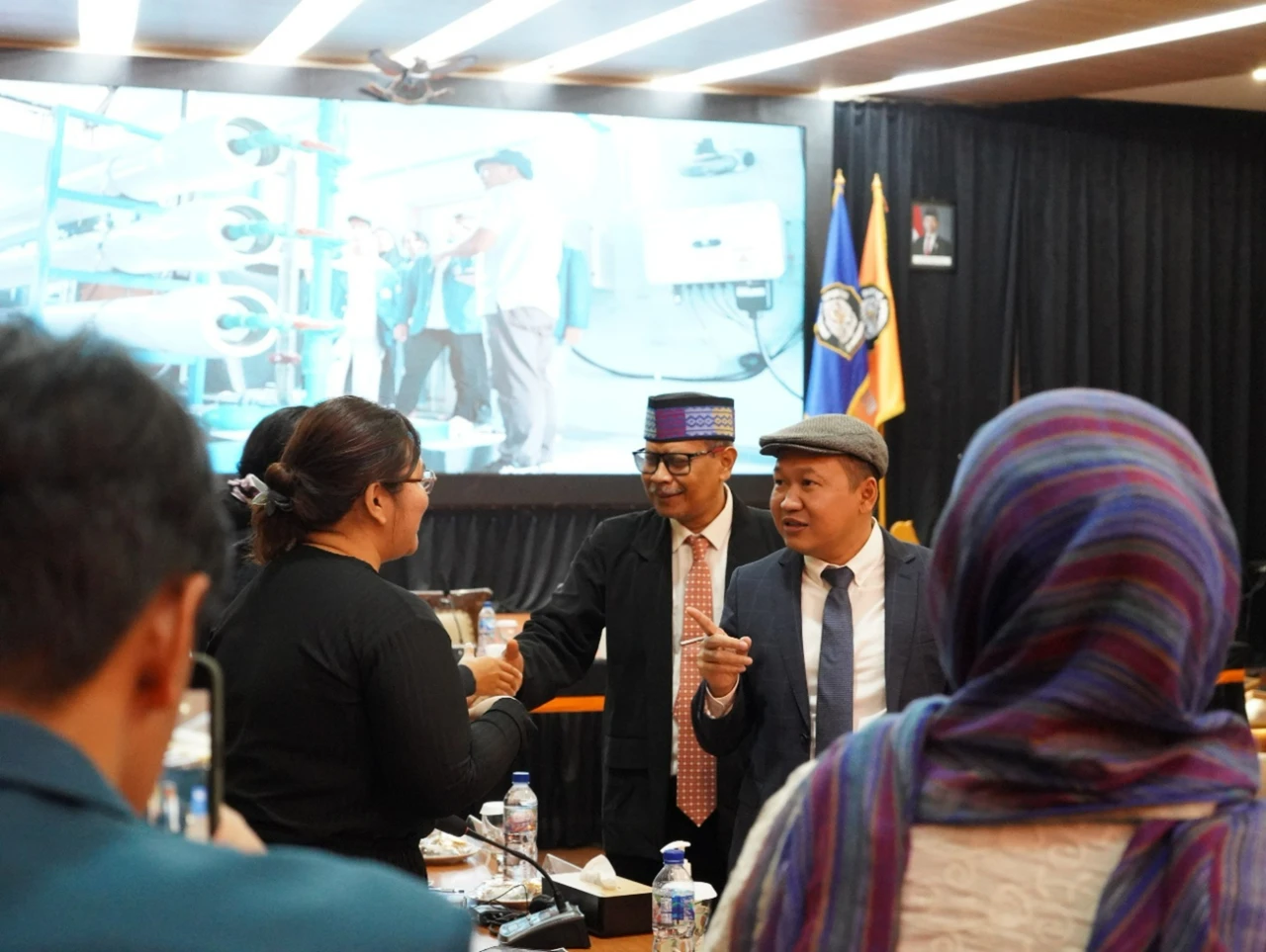

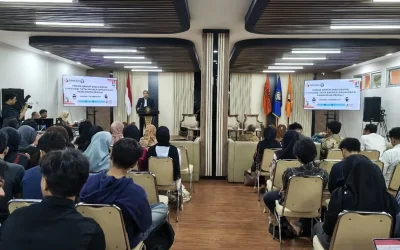
Semarang, May 7th, 2026 — The Faculty of Social and Political Sciences at Universitas Diponegoro and the Department of Politics and Government in collaboration with UNESCO, held a regional workshop titled “Internet for Trust: Digital Platform Governance Regional Workshop Capacity Building for Regulators, Digital Platforms, and Civil Society in Southeast Asia.” The first day of this event served as a crucial momentum for regulators, digital platform representatives, and civil society activists across Southeast Asia to formulate a digital governance framework rooted in trust and the protection of human rights.
The event was officially opened by the Dean of FISIP Undip, Dr. Drs. Teguh Yuwono, M.Pol.Admin. In his remarks, he expressed appreciation for the international delegates and emphasized that digital governance is a pressing necessity in today’s era of disruption. He highlighted that effective governance must balance technological innovation with public interest protection, ensuring the digital ecosystem remains a safe and productive space for the global community.
Echoing this, the Vice Rector for Research, Innovation, Collaboration, and Public Communication, Assoc. Prof. Wijayanto, S.IP., M.Si., Ph.D., emphasized the strategic role of universities in bridging multi-sectoral dialogues. Prof. Wijayanto elaborated that the primary challenge today is vulnerability to information manipulation on digital platforms. He asserted that research and international cooperation are key to creating regulatory standards that mitigate digital risks without stifling freedom of expression, reaffirming Undip’s commitment to strengthening regional digital resilience.
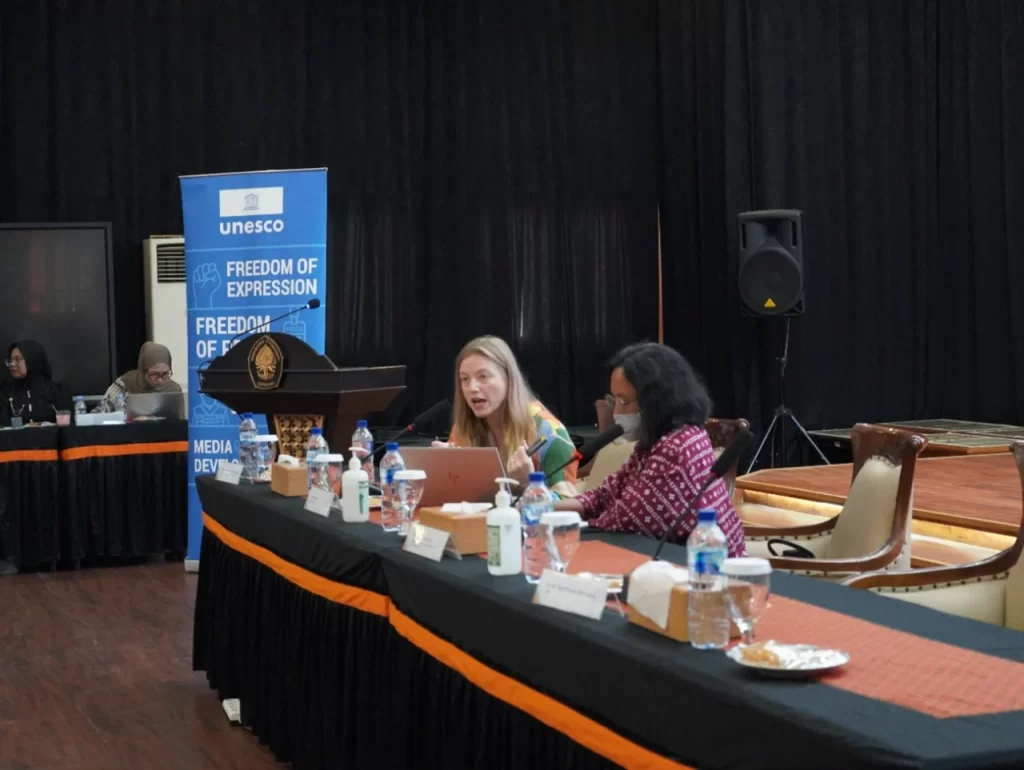
In the first core session, Anna Lomtadze from UNESCO explored the urgency of engaging local stakeholders in the governance process. She analyzed how digital product design, development, and licensing can exacerbate or prevent rights violations, emphasizing the need for inclusive due diligence to protect journalists and human rights defenders. Anna stressed that meaningful and safe participation of civil society is essential to ensure that digital platforms remain accountable to the public interest.
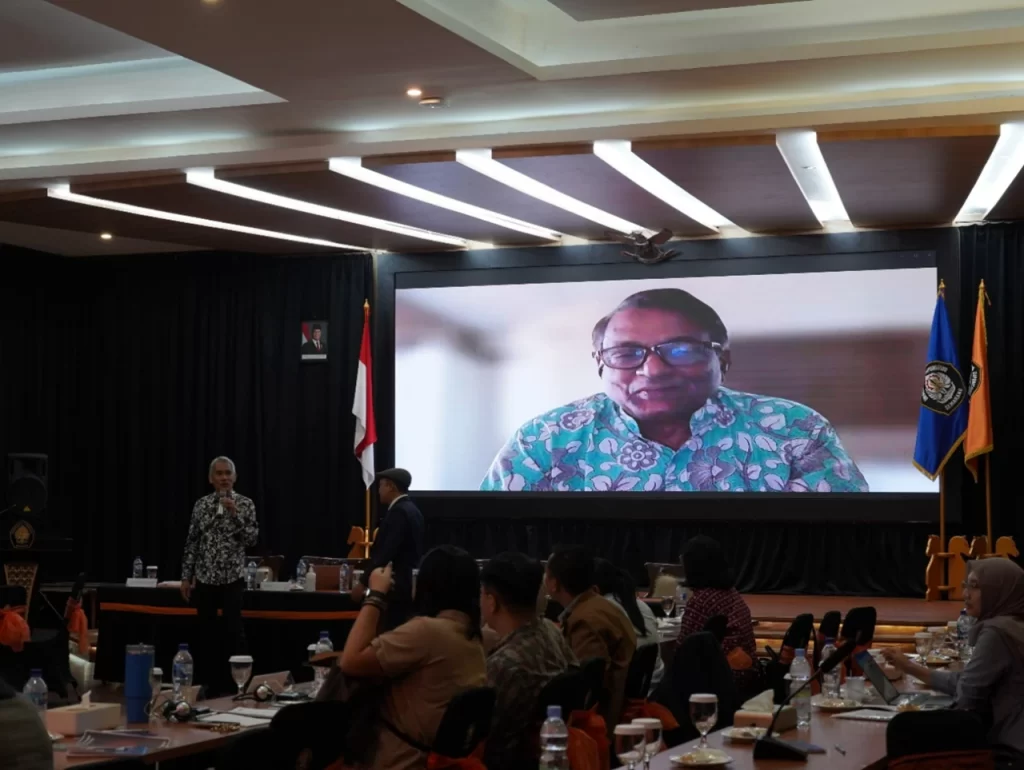
Complementing this, Prof. Chandrabhanu Pattanayak from Centurion University India provided a global perspective on the structural challenges of implementing inclusive digital governance. He highlighted that technology integration must go hand-in-hand with capacity building for local actors, ensuring they are equipped to navigate the complexities of an ever-evolving digital ecosystem. His presentation focused on bridging the gap between global technological standards and local socio-political realities.
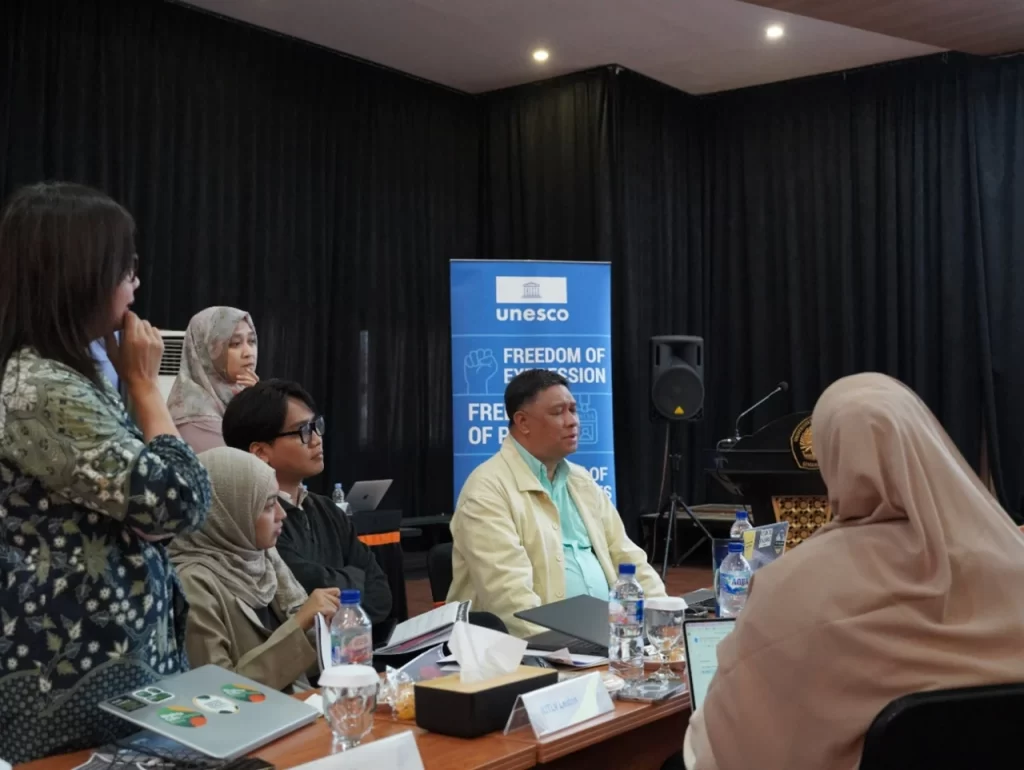
Furthermore, the speakers facilitated group exercises to map vulnerabilities in Southeast Asia. Participants identified internal platform factors and civil society conditions that heighten adverse human rights impacts. This participatory method aims to produce accurate risk assessments as a foundation for protective and accountable digital policies. Overall, the workshop reaffirmed that building an “Internet for Trust” requires a collective commitment between technology providers, governments, and civil society to create transparent governance that upholds fundamental human values.

0 Comments